Why Your Old Electrical Panel Could Be Putting Your Home at Risk?
April 30, 2026

Homes rely on a safe and efficient electrical system to function smoothly. From powering essential appliances to supporting modern smart devices, electricity is at the core of daily life. However, many homeowners overlook a critical component of their home’s electrical system: the electrical panel. Also known as a breaker box or fuse box, the panel distributes electricity safely throughout a property. Over time, panels age, components wear out, and outdated designs may no longer meet the demands of modern households. These factors can introduce serious safety risks, including fires, equipment damage, and power interruptions. Neglecting panel maintenance or upgrades can lead to costly repairs and unexpected hazards, making proactive assessment vital for every home.
An outdated electrical panel can also affect the efficiency and reliability of a home’s electrical system. Homes built decades ago often contain panels designed for a fraction of the electrical load used today. With the increasing number of electronic devices, energy-intensive appliances, and home office setups, older panels may be operating beyond their safe capacity. Recognizing the warning signs and understanding the potential hazards of an aging panel is essential for protecting both property and personal safety. Updating panels not only ensures safety but can also improve energy efficiency and support the integration of modern technology, enhancing convenience and peace of mind.
Signs an Electrical Panel Needs an Upgrade
Flickering Lights and Frequent Breaker Trips
One of the most common indicators of an aging panel is flickering lights or frequent breaker trips. While occasional surges can occur, repeated incidents suggest the panel cannot handle the electrical load. Overloaded circuits can cause breakers to trip often, which is a protective measure but also a signal of underlying issues. Persistent flickering or tripping may indicate corroded connections, worn-out components, or circuits operating at unsafe levels. Ignoring these signs increases the risk of short circuits and electrical fires.
Burn Marks, Corrosion, and Unusual Odors
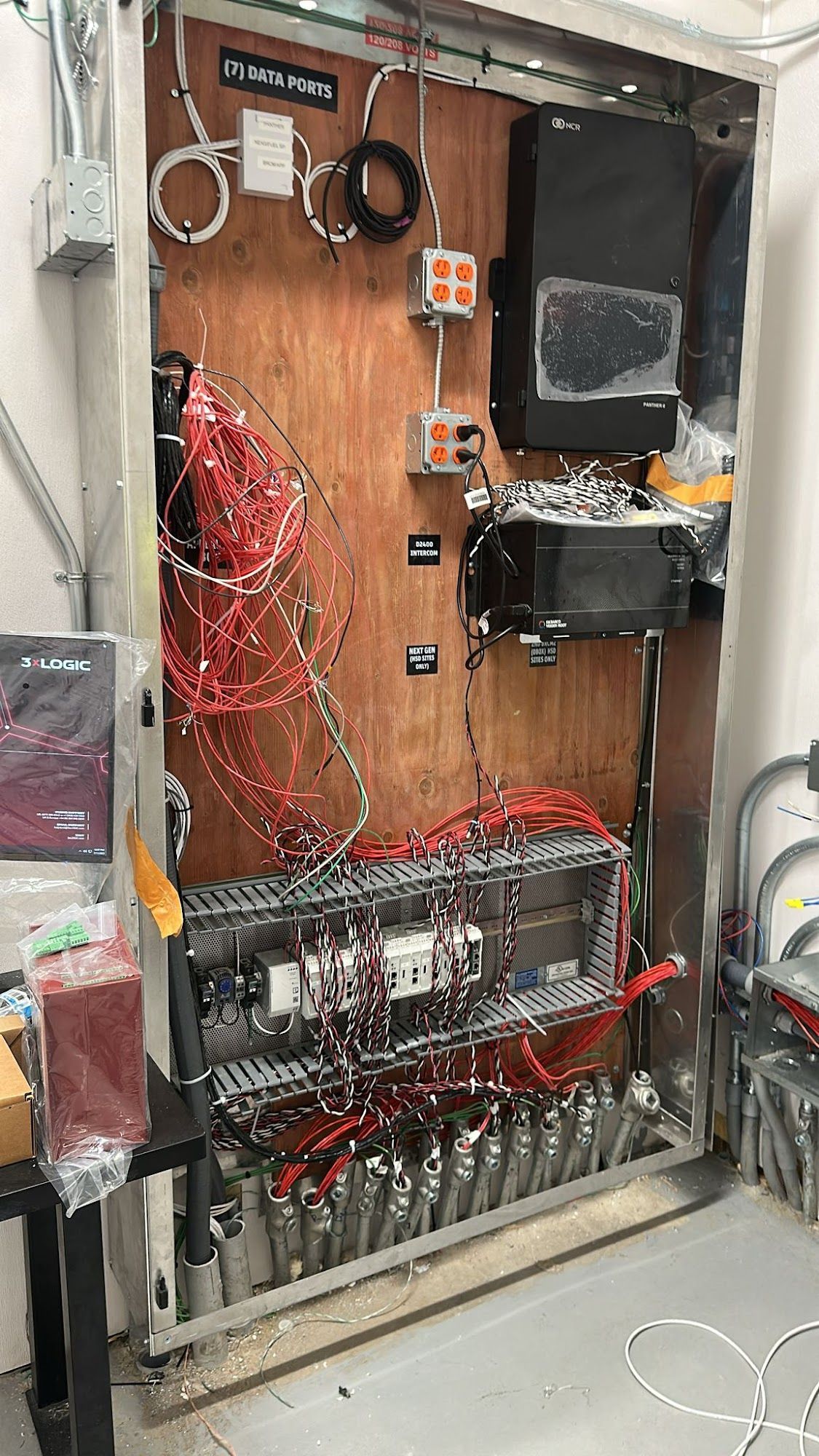
Visual cues often reveal the health of an electrical panel. Burn marks on breakers, frayed wires, or signs of rust and corrosion are serious warning signs. Similarly, the smell of burning plastic or ozone near the panel requires immediate attention. These symptoms suggest overheating, arcing, or faulty wiring, all of which can compromise the safety of a home. Regular inspections can detect these issues before they escalate into emergencies.
Inadequate Capacity for Modern Needs
Older panels were designed when homes used fewer electrical appliances. Modern demands, including high-powered kitchen devices, HVAC systems, and multiple smart devices, often exceed the safe capacity of legacy panels. Panels rated for 60 to 100 amps are common in homes built in the mid-20th century, whereas contemporary households typically require 150 to 200 amps. Without sufficient capacity, circuits become overloaded, risking damage to wiring and connected devices.
Safety Risks Associated with Outdated Panels
Fire Hazards
Electrical panels that are outdated or deteriorated are a leading cause of residential fires. Components within older panels, such as fuses, breakers, and bus bars, may degrade over time. Worn connections or corrosion can create heat buildup, which in turn may ignite surrounding materials. The Consumer Product Safety Commission reports that faulty electrical distribution systems contribute to thousands of fires annually, making panel maintenance critical.
Electric Shock and Injury
A compromised electrical panel increases the likelihood of electric shock. Loose wires, exposed terminals, or broken breakers can deliver dangerous voltages when touched. Even experienced individuals can sustain severe injuries when interacting with an unsafe panel. Ensuring proper grounding, insulation, and secure connections is essential for protecting anyone who comes in contact with the system.
Appliance Damage
Old electrical panels may deliver inconsistent power or experience voltage fluctuations. Sensitive electronics, such as computers, televisions, and kitchen appliances, can suffer damage when exposed to these irregularities. Appliances with built-in surge protection may still be vulnerable if the panel itself cannot maintain steady voltage. A panel upgrade can stabilize electricity flow, extend appliance life, and prevent costly repairs.
Common Problems Found in Aging Electrical Panels
Aluminum Wiring and Connection Issues
Some older homes feature aluminum wiring, which can corrode and expand over time, loosening connections. This condition increases resistance at connection points, generating heat that may ignite surrounding materials. Aluminum wiring requires special consideration and may need replacement or conversion to copper connections during panel upgrades.
Overcrowded Panels
As homes have evolved, additional circuits are often added to support new devices, outlets, or appliances. Overcrowding a panel with circuits beyond its design limits increases the risk of overheating and breaker failure. It also complicates maintenance, as cramped conditions make identifying problems more difficult. Properly sizing the panel for current and future needs reduces long-term hazards.
Preventative Measures and Best Practices
Routine Inspections
Regular inspections by qualified electricians are essential for identifying potential hazards in old panels. Professionals can detect signs of overheating, loose connections, corrosion, and other deterioration before they escalate. Homeowners should schedule inspections every few years, or sooner if symptoms like flickering lights or breaker trips appear.
Upgrading Panels
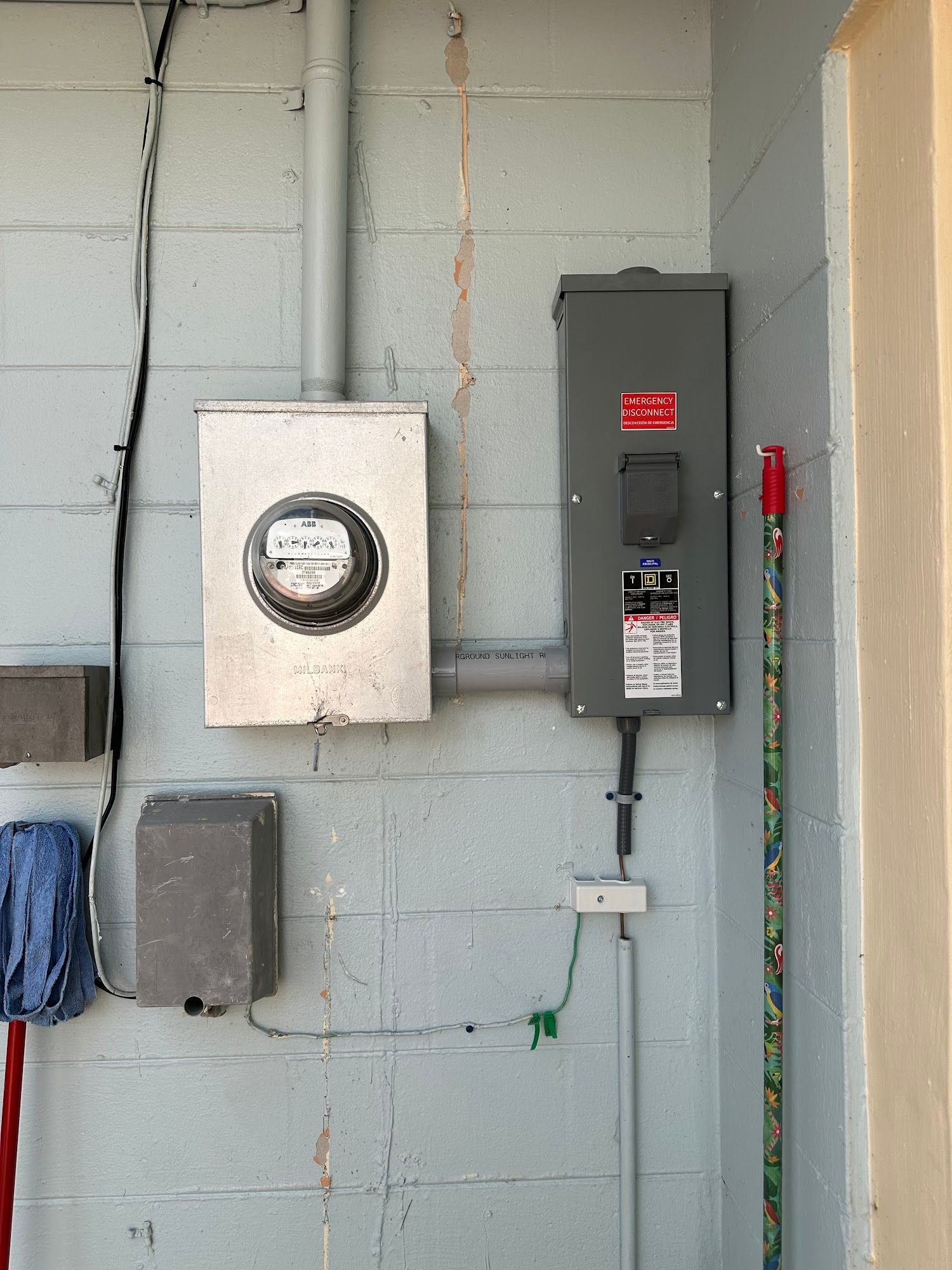
Panel upgrades offer a comprehensive solution for homes at risk. Replacing an outdated panel with a modern, higher-capacity system addresses both safety and functional concerns. Modern panels include features such as AFCI (Arc Fault Circuit Interrupters) and GFCI (Ground Fault Circuit Interrupters) protection, enhancing fire and shock prevention. Upgrades also allow for future expansion, ensuring electrical systems can accommodate new appliances or smart home technology.
Surge Protection Installation
Adding whole-home surge protection can further safeguard electrical systems. Surge protectors prevent voltage spikes from damaging appliances or wiring, particularly in areas prone to lightning strikes or utility power fluctuations. While not a substitute for a proper panel, surge protection complements overall electrical safety and reduces repair costs over time.
Educating Homeowners
Understanding electrical system limitations empowers homeowners to make informed decisions. Limiting the simultaneous use of high-load appliances, avoiding DIY modifications, and recognizing warning signs of electrical problems can prevent emergencies. Knowledge about the panel’s capacity, age, and condition enables proactive planning for upgrades or repairs.
Real-World Scenarios Illustrating Risks
Case Study: Overloaded Panel in a Family Home
A mid-20th century home with a 60-amp panel experienced repeated breaker trips when multiple appliances operated simultaneously. The panel, originally designed for fewer circuits, was not capable of supporting modern demands, resulting in overheating. An inspection revealed frayed wires and loose connections. Upgrading to a 200-amp panel eliminated the issue, enhanced safety, and stabilized electrical flow throughout the home.
Case Study: Fire Risk from Corrosion
An older home in a humid climate developed corrosion inside its panel, compromising connections and producing a faint burning odor. Ignoring early signs would likely have resulted in a fire. Immediate intervention involved replacing the panel and updating circuit breakers, preventing a potentially catastrophic event.
Scenario: Protecting Sensitive Electronics
A home office relied on older panel infrastructure, leading to frequent voltage fluctuations. Computers, monitors, and other equipment suffered repeated damage. Upgrading the panel and adding surge protection stabilized power delivery and protected valuable electronics, reducing repair and replacement costs significantly.
Choosing the Right Electrical Panel
Expert Panel Upgrades Backed by Proven Experience
An aging electrical panel is more than an inconvenience; it represents a serious risk to safety, property, and appliances. Flickering lights, frequent breaker trips, burn marks, corrosion, and insufficient capacity are all clear indicators that action is necessary. Proactive measures, including inspections, panel upgrades, and surge protection installation, mitigate hazards and improve reliability. Understanding the risks associated with old panels empowers homeowners to make informed decisions, protecting both their families and investments.
At Volts Electric, we specialize in delivering safe,
efficient electrical solutions
for Fort Myers, Florida, and surrounding communities. With over 23
years of experience in electrical contracting, we combine expertise, precision, and professionalism to safeguard homes against outdated and failing panels. From thorough inspections to modern panel upgrades, our approach prioritizes safety, reliability, and future-proofing. Trust Volts Electric
to assess electrical systems accurately, recommend the most effective solutions, and provide installations that meet the highest standards. Your home’s electrical safety is our commitment, ensuring peace of mind and long-term protection for every property we serve.